
Exploring the psychology behind casino games: Why do we play?
Cosmic Cash Tratar de balde en el caso de que nos lo olvidemos para dinero real online 2026
September 2, 2026Coyote Moon Slot Play IGT Slot Machine for Free Win Positivo Money
September 2, 2026
The Thrill of Uncertainty
The allure of casino games lies significantly in the thrill of uncertainty. This unpredictability activates the brain’s reward systems, creating a rush of excitement with each spin of the wheel or flip of the card. When players engage in these games, they experience a blend of anticipation and anxiety, which can be intoxicating. This psychological phenomenon is rooted in our evolutionary history, where uncertainty often signaled opportunities for survival, much like how pokies online nz offer varied outcomes that keep players on their toes. As such, the gamble becomes more than just a financial transaction; it transforms into an emotional adventure that captivates players.
Moreover, the potential for winning, however slim, serves as a powerful motivator. This is often accentuated by the design of the games themselves, which are engineered to maximize engagement and pleasure. The near-miss effect, where players come close to winning without actually doing so, reinforces the desire to continue playing. This not only fuels the player’s hope but also entices them to bet again, furthering their interaction with the game and amplifying their emotional investment. The anticipation of hitting just the right combination or number keeps players at the edge of their seats, making the experience exhilarating.
Additionally, the adrenaline rush associated with winning, even minor victories, can create a feedback loop that enhances the gaming experience. Each win, no matter how small, serves as validation for the player’s decision to engage, reinforcing their behavior. This psychological interplay between winning and uncertainty keeps players returning, as they chase the highs of both the wins and the gaming experience itself. It is this cyclical nature of hope, excitement, and the possibility of a reward that makes casino games not just a pastime, but a compelling pursuit.
The Role of Escape
Another significant reason people are drawn to casino games is the desire for escape from everyday life. For many, stepping into a casino or engaging with gaming platforms offers a temporary reprieve from the stresses and mundanities of daily responsibilities. It provides a space where individuals can immerse themselves in a different reality, allowing them to forget their troubles and concerns, if only for a short time. This escape is often accompanied by sensory stimulation; the vibrant sights, captivating sounds, and even the social dynamics present in gaming environments create an enticing atmosphere that draws players in.
The immersive nature of casino games caters to various psychological needs. For instance, players may seek the thrill of a high-stakes game to distract themselves from personal challenges or to experience a sense of freedom they may lack in their ordinary lives. Engaging with these games can provide a sense of agency, where individuals feel they have control over their outcomes. This perceived control, amidst uncertainty, is a significant attraction, drawing players deeper into the experience and allowing them to momentarily escape their realities.
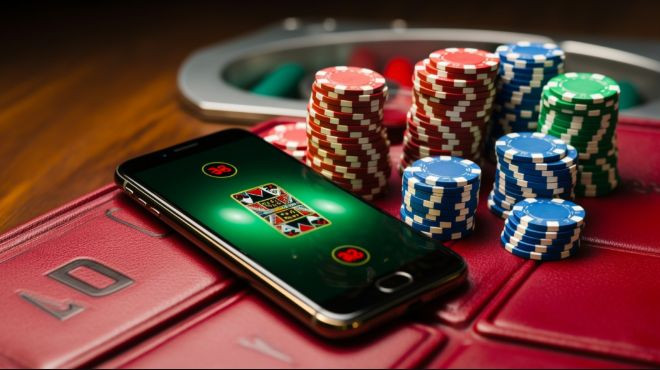
Moreover, the communal aspect of casino games enhances this escape. Players often find themselves in social settings, interacting with others who share the same interests. The camaraderie that develops can add to the overall enjoyment and satisfaction of the experience. Consequently, many individuals not only seek an escape through the games but also through the connections they form within these environments, creating a rich tapestry of social interaction layered over the thrill of gaming. In this way, casinos become places not just for gambling but for building relationships and community.
The Psychological Impact of Winning and Losing
Winning and losing in casino games evoke strong emotional reactions, which play a crucial role in players’ continued engagement. When a player wins, the associated joy and euphoria trigger the release of dopamine, a neurotransmitter that promotes feelings of pleasure and satisfaction. This sensation reinforces the behavior, making players more likely to return for another game in search of that same euphoric feeling. Conversely, losing can lead to disappointment or frustration, yet the design of the games often mitigates this negative experience through the promise of future opportunities to win, creating a delicate balance between hope and despair.
The concept of loss aversion also plays a significant role in how players respond to winning and losing. Research indicates that the pain of losing is often felt more intensely than the pleasure derived from winning. Consequently, players may chase their losses, hoping to regain what has been lost. This can create a cycle where the emotional highs and lows from gaming contribute further to the psychological tug of war present in casino environments. The emotional rollercoaster that comes with gambling can be both thrilling and hazardous, keeping players engaged even when the odds are not in their favor.
Additionally, the narrative surrounding wins and losses can significantly influence players’ perceptions and behaviors. Stories of big wins and life-changing jackpots circulate within gaming communities and media, reinforcing the belief that success is achievable. This aspirational quality can motivate players to continue participating, fostering a mindset centered around success and the potential for life-altering outcomes. The allure of these narratives can overshadow the more sobering statistics about gambling, creating a complex psychological landscape where hope and risk coexist.
The Influence of Environment and Design
The environment in which casino games are played is meticulously crafted to enhance the gaming experience. From the layout of the gaming floor to the ambient sounds and lighting, every element is designed to maximize player engagement and emotional response. This architectural psychology not only captures attention but also fosters a sense of comfort and excitement, leading players to lose track of time and even money. By creating an inviting yet stimulating atmosphere, casinos encourage longer play sessions and deeper emotional investment, effectively turning gaming into a captivating experience.

Moreover, the placement of games and the visual appeal of machines can heavily influence player choices. Bright colors and flashing lights are strategically employed to attract attention, often leading to impulsive betting decisions. The sensory overload, combined with the absence of clocks and windows, creates the ideal conditions for players to become engrossed in their gaming experience, often disregarding external time constraints. This environment plays a significant role in shaping the psychological dynamics of play, ensuring that players are continually drawn back to the excitement of the games.
Furthermore, the integration of technology into casino games has transformed the gaming experience. With the advent of online gaming, players can access a myriad of options from the comfort of their homes, blurring the lines between social interaction and solitary play. This technological shift has introduced new psychological dimensions, where convenience and accessibility intertwine with traditional gaming elements, creating an entirely new landscape for players to explore and engage with. The online environment allows for a personalized experience, catering to individual preferences and enhancing the overall enjoyment of gaming.
Understanding the Casino Experience Through Research
Research into the psychological aspects of casino gaming sheds light on the complex motivations behind why individuals engage in these activities. Studies indicate that factors such as personality traits, social influences, and prior experiences all contribute to gaming behaviors. Understanding these elements can enhance our comprehension of why some individuals may become habitual players while others engage more casually. This knowledge can be pivotal for the development of responsible gaming practices and preventive measures against gambling-related problems.
Academic research also delves into the correlations between psychological well-being and gaming behavior. The motivations for play can range from a form of entertainment to a coping mechanism for underlying issues such as stress or anxiety. By examining these motivations closely, researchers can identify patterns and recommend approaches for promoting a healthier relationship with gambling. These insights highlight the importance of understanding the individual player’s psychology in crafting effective interventions and support systems.
As the landscape of gaming evolves, continuous research is crucial. Ongoing studies on player behavior, gaming environments, and psychological impacts can guide stakeholders in the industry toward responsible practices and regulations. Ultimately, understanding the psychology behind casino gaming can lead to more informed decisions for players and operators alike, fostering a healthier and more sustainable gaming culture. By prioritizing research, we can better address the challenges and opportunities presented by this multifaceted industry.
