
Sober Curious: Australia’s Embrace of Alcohol-Free Lifestyles in 2025
Прогноз курса евро к доллару EUR USD на сегодня, завтра, неделю, месяц Форекс брокеры СНГ: Узбекистан, Казахстан, Беларусь, Кыргызстан, Армения, Таджикистан, Грузия, Азербайджан и другие
June 2, 2025Aviator Game India Official Website for Local Players
June 6, 2025With continued therapy, community engagement, and self-awareness, most individuals can maintain long-term stability. At My Time Recovery, clinical care integrates evidence-based interventions that strengthen the foundation for lasting sobriety. These include trauma-focused therapy, relapse prevention education, and dual diagnosis treatment for co-occurring mental health disorders. Each component supports long-term stabilization and improved functioning. This awareness-based model has also broadened public perception of sobriety. It emphasizes intentional living and self-assessment rather than labeling or stigma.
Sober Curiosity – Lifestyle
Beyond the absence of substances, sobriety implies a profound shift in one’s mindset, attitudes, and behaviors. It involves a commitment to personal growth, self-awareness, and the pursuit of healthier coping mechanisms. Being sober involves sacrificing something to gain peace, stability, clarity, and health. Being a sober person means you practice complete abstinence from drugs, alcohol, and other what does sober mean addictive substances.
Sober curious individuals avoid alcohol for personal or health reasons by experimenting with sobriety. In addition to not drinking alcohol, it involves curiosity about the way alcohol affects daily life. The key lies in exploring their relationship with alcohol, questioning why they want to drink, and finding ways to deal with their ‘whys’ that don’t involve alcohol.
- Instead of asking people why they weren’t drinking an alcoholic beverage, brands began asking how to make better drinks without it.
- Some producers use distillation to extract botanical flavors without fermenting sugars into alcohol.
- The deeper meaning implies that Paul’s behavior, whether deemed extreme or sensible, is guided by his service to God and his duty to edify the church.
- When we talk about what sobriety is in the context of addiction recovery, mental health, and long-term well-being, the definition becomes simple.
- Along with its gain in popularity, there are many health benefits celebrities promote to stop drinking.
- Recovery from drug addiction is not just a one-time event but a continuous process.
Sobriety Gains Recognition
After all, it’s to help them, and that’s what we care most about. With a clear mind, you can communicate with your close ones in a better way. The damage your impaired judgments must have caused, and the barriers your aggressive, irritated behavior has created will alcoholism begin to sort out once you get sober. Some of the serious health issues alcoholics face are heart disease, increased chances of cancer, liver damage, high blood pressure, and a weak immune system. Excessive drinking can adversely affect the brain in the long run. As a result, you may face problems like blurred vision, difficulty in understanding, cognitive decline, depression, anxiety, impaired judgment, or even dementia.
Use support resources before you hit crisis mode
- In the short term, it also means you aren’t intoxicated or under the influence of any of those substances.
- Sobriety is often understood as the state of not being intoxicated, but its definition can vary significantly from person to person.
“Our partnership with Myprotein marks a significant step forward in our mission to deliver a 360-fitness experience for our members,” says Dan Summerson, MD of Everlast Gyms. It’s easier, but writing checks every month was a sobering reminder of where my money was going. She added that Brohiri had never acted aggressively when challenged and said his decision to become sober three years ago “demonstrated his capacity to change”. Examples are provided to illustrate real-world usage of words in context.
Support Groups and Peer Community
In the recovery phase, a person is supposed to abstain from taking drugs, alcoholic drinks, or other addictive substances at all costs. A lifelong commitment to sobriety means consistently working towards personal growth, developing healthy coping mechanisms, and building a strong support network. This commitment is critical for breaking the cycle of addiction and maintaining long-term recovery.

The best non-alcoholic alternatives don’t try to taste exactly like traditional alcoholic beverages. Instead, they create their own identity with layered flavor, bitterness, and balance. So next time someone offers you a drink, feel free to smile and say, “I’m good, thanks.” Because in 2025, that’s more than enough. You can still say yes to a champagne toast while living a mostly sober-curious life. We also know that regular binge drinking is linked to increased risks of anxiety, depression, liver disease, and injury — not to mention the emotional toll it takes on our self-esteem and social connections.
Buckeye Recovery Network’s Services And Levels Of Care

As for sobriety, it’s a long process where you make a decision never to drink again in your life. Honestly, you’ll be saving more money when you are not mindlessly spending on alcohol and drugs. So, you’ve finally made the big decision or are planning to take one but are feeling totally confused about whether your decision is worth it or not. After interviewing several folks, it was easy to find similarities among them in terms of the benefits they are enjoying after completely abstaining from alcohol.
Addiction treatment provides education, accountability, and tools to understand underlying issues driving substance use 3. There is no single “right” way to get sober, but there are proven approaches that significantly increase your chances of lasting sobriety. The most effective paths combine structure, support, and self-work.
Words For Things You Didn’t Know Have Names, Vol. 3
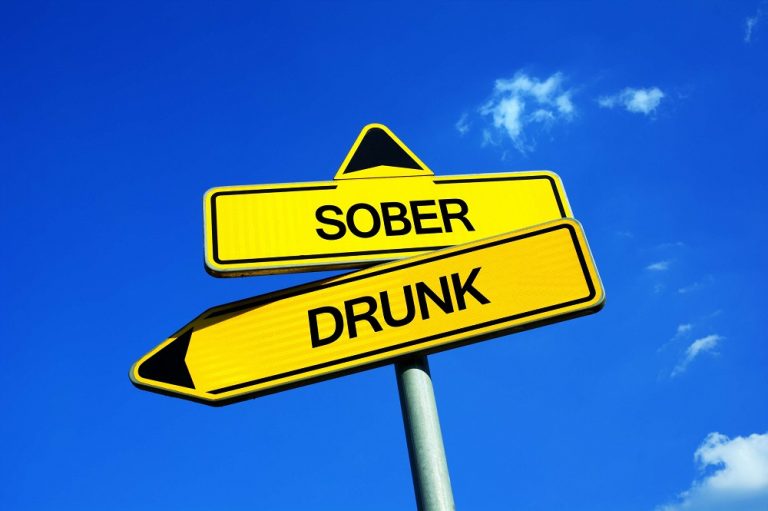
Another term that has assumed significance in this content is ‘recovery.’ Recovery is not just related to the act of abstaining from drinking. It takes a more holistic view of the process, covering a person’s emotional, behavioral, and physical states. The ultimate goal is to reduce dependency, and how a person achieves that goal is dependent on them. Sobriety in this context is an active, ongoing commitment to a set of behaviors and actions that support overall health and prevent relapse, making it an integral part of the recovery journey.
Contact our admissions team, available 24/7, to start your journey towards recovery. Yes, it’s possible to achieve sobriety without formal recovery programs. Some individuals find success through self-help, support from friends and family, or alternative therapies. However, recovery programs can provide valuable structure, support, and resources that many find essential in maintaining long-term sobriety. During the first few weeks, you might experience depression, anxiety, and an urge to return to your old drinking habits.
However, modern interpretations of sobriety recognize that total abstinence may not be realistic or necessary for everyone. If custody was reduced due to addiction, don’t assume it’s permanent. Courts will reconsider past decisions after seeing progress, consistency, and proof. Courts like step-up plans because they’re structured and child-focused, not emotional. A 2025 National Institutes for Health research update found that nearly https://ecosoberhouse.com/ 19 million U.S. children (about 1 in 4) live with at least one parent or primary caregiver who had a substance use disorder. Those parents do not automatically lose custody of their kids — nor should they.
