
The hidden influence of gambling Understanding its psychological impact
Exploring the advantages of online casinos compared to traditional venues
January 25, 2026Texas Holdem Poker Strategy
January 25, 2026The hidden influence of gambling Understanding its psychological impact
The Allure of Gambling
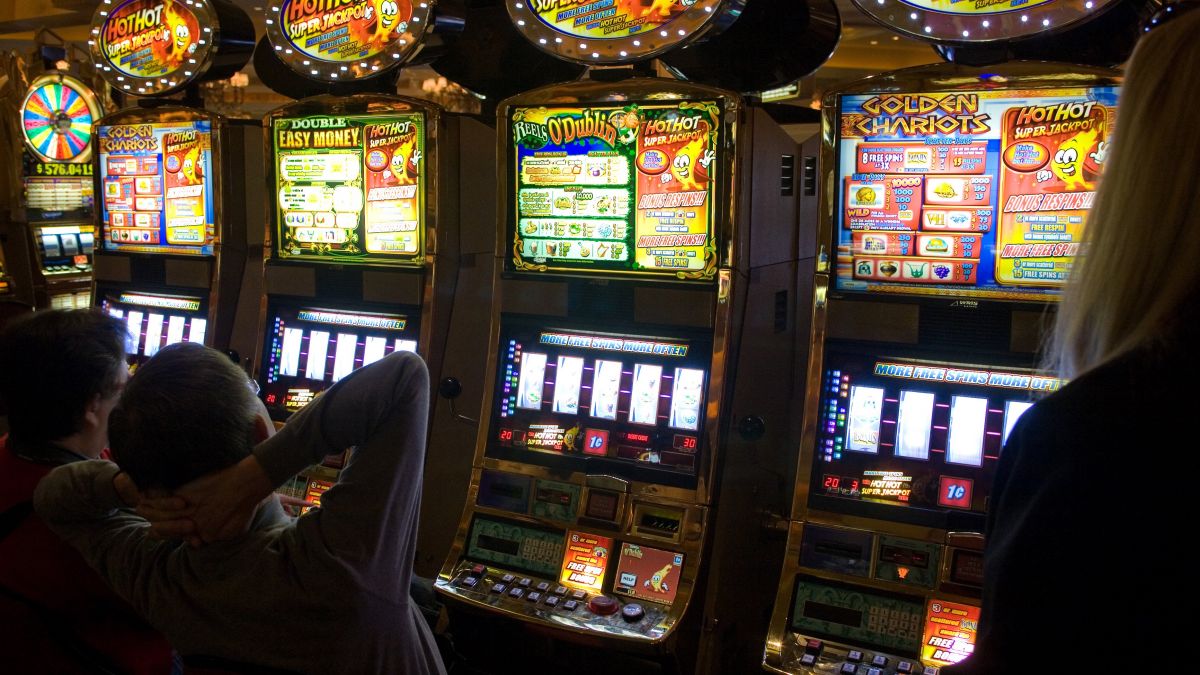
Gambling has a unique appeal that draws individuals from various walks of life. The thrill of winning, the ambiance of casinos, and the social interactions create an enticing environment. This allure is often magnified by the potential for a life-changing jackpot, which can lead to an overwhelming desire to participate. Many view gambling as a form of entertainment, while others may see it as a way to escape their everyday challenges. In this context, exploring real online casinos has become increasingly popular, adding another layer to the allure of gambling.

This psychological attraction can blur the line between recreational activity and harmful obsession. People may start gambling for fun but find themselves increasingly unable to control their urges. The stimulating nature of gambling can trigger dopamine release in the brain, similar to the effects of drugs, further enhancing its addictive qualities.
The Psychology Behind Gambling Addiction
The psychological impact of gambling often manifests as addiction. Individuals may develop a compulsive need to gamble, leading to detrimental effects on their personal and professional lives. Cognitive biases play a significant role in this addiction; gamblers often overestimate their chances of winning, which can perpetuate the cycle of gambling behavior.
Moreover, the intermittent rewards associated with gambling can reinforce this behavior. Unlike other activities that provide consistent outcomes, the sporadic nature of wins in gambling creates a “near-miss” phenomenon, making players believe they are close to winning and spurring them to continue. This psychological trap can lead to escalating financial and emotional distress.
The Social Dynamics of Gambling
The social context in which gambling occurs can further complicate its psychological effects. Often, gambling environments foster a sense of camaraderie, leading to group dynamics that can perpetuate gambling behaviors. Social groups may normalize excessive gambling, making it difficult for individuals to recognize their problematic behavior.
Additionally, peer pressure can influence gambling decisions, pushing individuals to engage in riskier behaviors than they would alone. This social reinforcement can diminish personal accountability, making it harder for individuals to break free from the cycle of gambling addiction.
The Impact on Mental Health
The psychological consequences of gambling extend beyond addiction, often significantly affecting mental health. Gamblers may experience anxiety, depression, and feelings of guilt or shame as they grapple with the ramifications of their gambling behaviors. These mental health issues can create a vicious cycle, where individuals gamble to escape their emotional pain, only to exacerbate their problems further.
Moreover, untreated gambling addiction can lead to strained relationships and social isolation. As individuals prioritize gambling over their responsibilities and loved ones, they may find themselves increasingly alone, leading to further mental health decline. Addressing these issues is crucial for recovery and emotional well-being.
Understanding Judicial Selection and its Relevance
The judicial selection process is vital in maintaining the integrity of the legal system. While not directly related to gambling, understanding this process can shed light on how legal frameworks address issues such as gambling regulations and addiction recovery. The effectiveness of judicial appointments can shape the policies that govern gambling, influencing how communities respond to its impact.
In conclusion, the hidden influence of gambling is profound and multifaceted, affecting individuals psychologically, socially, and emotionally. By recognizing these impacts and understanding the legal systems that govern gambling, we can foster healthier environments that prioritize mental health and responsible gambling practices.
